

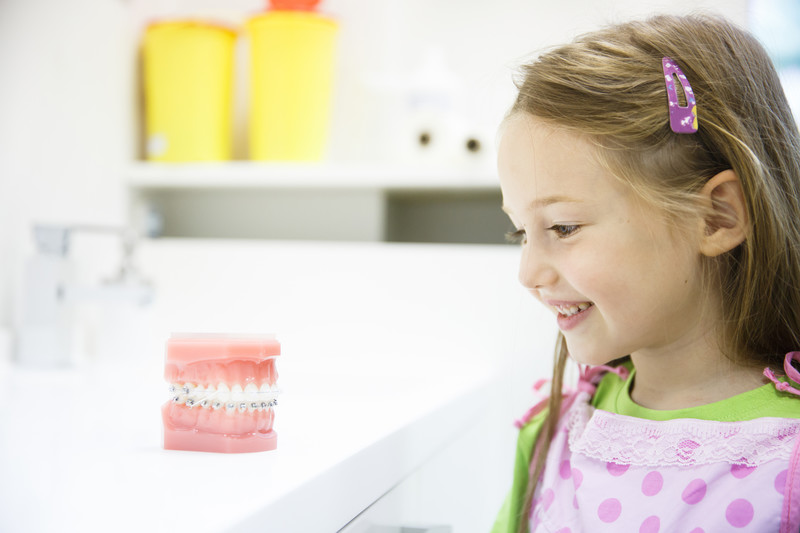
As a parent, watching your little one reach developmental milestones is incredibly exciting. One of the earliest and most memorable milestones? That first baby tooth! At Highland Dental, we understand that parents often have questions about their child’s dental development, particularly when it comes to primary teeth. Let’s explore what you need to know about baby teeth and why they matter more than you might think.
When Do Baby Teeth Come In?
If you’re wondering, “When do baby teeth come in?” you’re not alone! It’s one of the most common questions we hear from parents at our Casper office. Most babies begin teething around six months of age, though this timeline can vary considerably. Some infants might see their first tooth as early as three months, while others may not get one until after their first birthday.
The typical pattern for primary teeth eruption follows this general sequence:
- Lower central incisors (bottom front teeth): 6-10 months
- Upper central incisors (top front teeth): 8-12 months
- Lateral incisors (beside the front teeth): 9-16 months
- First molars: 13-19 months
- Canines (pointed teeth): 16-23 months
- Second molars: 23-33 months
By age three, most children have all 20 of their baby teeth. Remember, every child develops at their own pace, so don’t be alarmed if your little one’s teeth appear slightly earlier or later than these ranges.
The Importance of Baby Teeth
Some parents assume that since baby teeth eventually fall out, they’re not as important as permanent teeth. This couldn’t be further from the truth! The importance of baby teeth extends far beyond their temporary nature, so keep an eye on their dental development.
Proper Spacing and Alignment
Primary teeth serve as natural placeholders for permanent teeth. They maintain the proper spacing in your child’s jaw, guiding adult teeth into their correct positions. When baby teeth are lost prematurely due to decay or injury, neighboring teeth can shift, potentially causing crowding and alignment issues later.
Speech Development
Baby teeth play a crucial role in helping your child learn to speak clearly. They’re essential for forming certain sounds and words correctly during those critical early years of language development.
Nutrition and Eating
Healthy primary teeth allow your child to chew food properly, which is vital for good nutrition and digestion. Children with dental pain or missing teeth may avoid certain nutritious foods, potentially impacting their overall health.
Confidence and Social Development
A healthy smile boosts your child’s self-esteem. Baby teeth contribute to your child’s appearance and can affect how they interact with peers and feel about themselves.
Caring for Primary Teeth
Dr. Zac Gallup and our team at Highland Dental recommend starting dental care even before that first tooth appears. Gently wipe your baby’s gums with a clean, damp cloth after feedings. Once teeth emerge, brush twice daily with a rice-grain-sized smear of fluoride toothpaste.
We also suggest scheduling your child’s first dental visit by their first birthday or within six months of their first tooth appearing. Our pediatric dentistry services are designed to make these early visits comfortable and positive experiences that set the foundation for a lifetime of good oral health.
If you have questions about your child’s baby teeth development or would like to schedule an appointment, call Highland Dental at 307-235-9198. We’re here to support your family’s dental health journey every step of the way!


Leave A Comment