

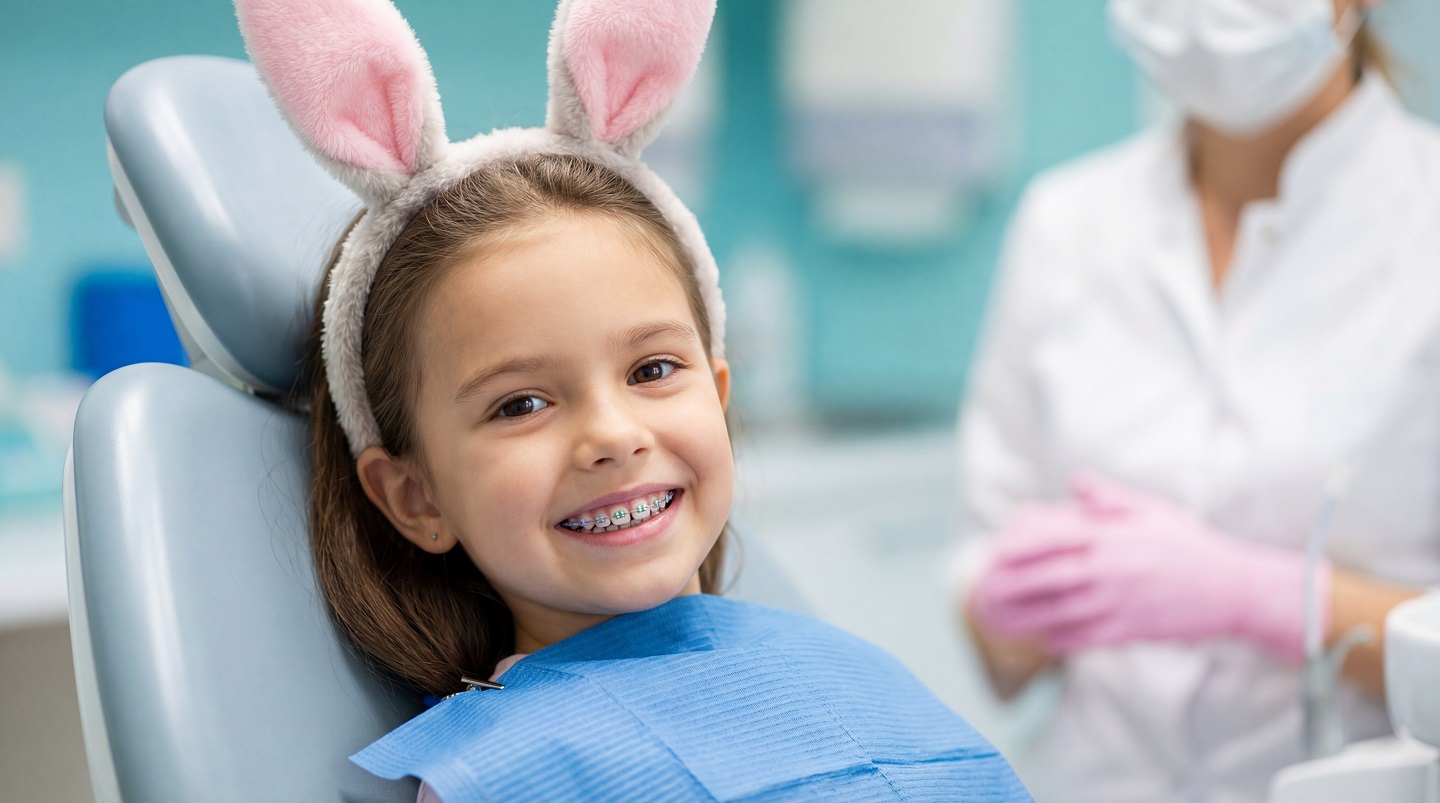
As a parent, watching your child grow and develop is one of life’s greatest joys. Those first smiles, first words, and yes, those first teeth, are milestones worth celebrating. But baby teeth are much more than just adorable additions to your little one’s smile. Understanding their development and importance can help you give your child the best start toward a lifetime of healthy teeth.
When Do Baby Teeth Come In?
If you’re wondering, “When do baby teeth come in?” most babies will begin teething around six months of age. The lower front teeth (central incisors) are typically the first to appear, followed by the upper front teeth. By age three, most children have a complete set of 20 primary teeth.
Here’s a general timeline for baby teeth eruption:
- 6–10 months: Lower and upper central incisors
- 9–12 months: Upper and lower lateral incisors
- 12–18 months: First molars
- 16–22 months: Canines
- 24–30 months: Second molars
Keep in mind that every child is unique, and some variation in this timeline is perfectly normal. If you have concerns about your child’s dental development, our team at Highland Dental is here to help.
Why Baby Teeth Matter More Than You Think
Some parents mistakenly believe that because primary teeth eventually fall out, they don’t require much attention. Nothing could be further from the truth! The importance of baby teeth extends far beyond their temporary nature.
Proper Nutrition and Eating
Baby teeth allow your child to chew food properly, which is essential for good nutrition and healthy development. Without healthy teeth, children may struggle to eat nutrient-rich foods, potentially affecting their growth.
Speech Development
Primary teeth play a crucial role in helping children learn to speak clearly. They help form the proper sounds and pronunciations that are building blocks for communication skills.
Space Holders for Permanent Teeth
Perhaps most importantly, baby teeth act as placeholders for permanent teeth. They guide adult teeth into their proper positions. When primary teeth are lost too early due to decay or injury, nearby teeth can shift into the empty space, causing crowding and alignment issues that may require orthodontic treatment later.
Building Healthy Habits
Caring for baby teeth establishes good oral hygiene habits that last a lifetime. Children who learn to brush, floss, and visit the dentist regularly are more likely to maintain these practices as adults.
Protecting Your Child’s Primary Teeth
Now that you understand the importance of baby teeth, here are some ways to keep them healthy:
- Begin cleaning your baby’s gums with a soft, damp cloth even before teeth appear
- Once teeth emerge, brush twice daily with a soft-bristled toothbrush and fluoride toothpaste (use a rice-grain-sized amount for children under three)
- Schedule your child’s first dental visit by their first birthday or within six months of their first tooth appearing
- Limit sugary snacks and drinks
- Never put your baby to bed with a bottle
Partner With Us for Your Child’s Dental Health
At Highland Dental, Dr. Zac Gallup and our caring team understand that every child deserves a positive dental experience. We specialize in making dental visits comfortable and fun for children while providing the highest quality care for those precious baby teeth. Our pediatric dental services are designed to set your child up for a lifetime of healthy smiles.
Ready to schedule your child’s appointment? Call us at 307-235-9198. We look forward to being your partner in your child’s dental health journey!




Leave A Comment