

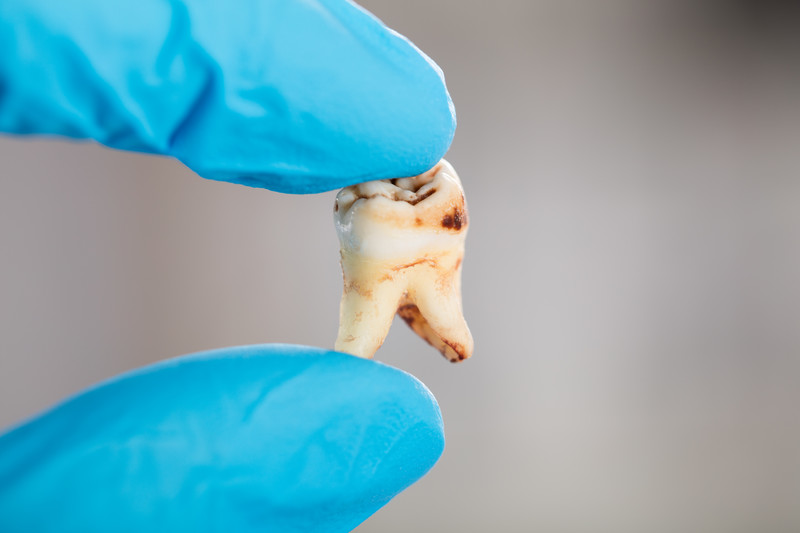
Getting your wisdom teeth removed is one of the most common oral surgery procedures performed today. If Dr. Zac Gallup has recommended wisdom tooth extraction, you probably have questions about what lies ahead. At Highland Dental in Casper, WY, we want you to feel informed and comfortable about every step of the process.
Why Do Wisdom Teeth Need to Be Removed?
Wisdom teeth, or third molars, typically emerge in your late teens or early twenties. Unfortunately, most people don’t have enough room in their mouth to accommodate these additional teeth. This can lead to several problems:
- Impacted wisdom teeth that can’t fully break through the gums
- Teeth growing at awkward angles, pushing against neighboring teeth
- Increased risk of infection, decay, and gum disease
- Cysts or tumors forming around impacted teeth
- Crowding that undoes previous orthodontic work
When impacted wisdom teeth cause pain or pose a risk to your oral health, removal becomes necessary.
What Happens During the Procedure
Before your wisdom teeth removal, Dr. Gallup will take X-rays and discuss your anesthesia options. Most patients receive local anesthesia combined with sedation to ensure comfort throughout the procedure.
During the extraction, you won’t feel pain, though you may sense some pressure. For impacted wisdom teeth that haven’t erupted, a small incision in the gum tissue allows access to the tooth. Sometimes the tooth needs to be divided into smaller sections for easier removal. The entire process typically takes between 45 minutes to an hour, depending on the complexity of your case.
Our experienced team at Highland Dental’s oral surgery department uses advanced techniques to minimize discomfort and promote faster healing.
The First 24 Hours After Surgery
The initial day of wisdom teeth recovery requires the most attention. Here’s what to expect:
- Bleeding is normal for several hours; bite gently on gauze pads as directed
- Swelling typically peaks around day two or three
- Apply ice packs for 20 minutes on, 20 minutes off during the first 24 hours
- Stick to soft foods like yogurt, smoothies, and mashed potatoes
- Avoid using straws, as suction can dislodge blood clots
- Don’t rinse vigorously or spit forcefully
Rest is crucial during this period. Plan to take it easy for at least the first day or two following your procedure.
Managing Discomfort and Healing
Some discomfort after wisdom tooth extraction is completely normal. Dr. Gallup will provide specific pain management instructions, which may include prescription medication or over-the-counter pain relievers.
After the first 24 hours, gently rinse your mouth with warm saltwater several times daily to keep the extraction sites clean. Continue eating soft foods for several days, gradually reintroducing your regular diet as comfort allows.
Warning Signs to Watch For
Contact Highland Dental at 307-235-9198 if you experience:
- Excessive bleeding that doesn’t slow after applying pressure
- Fever above 100°F
- Severe pain not controlled by prescribed medication
- Persistent numbness beyond the expected timeframe
- Signs of infection like pus or increasing swelling after day three
Your Complete Recovery Timeline
Most patients feel significantly better within three to four days. Complete wisdom teeth recovery, including full healing of the extraction sites, typically takes one to two weeks. You can usually return to normal activities within a few days, though strenuous exercise should wait about a week.
If you’re experiencing wisdom tooth pain or have questions about whether removal is necessary, we’re here to help. Call Highland Dental at 307-235-9198 to schedule a consultation with Dr. Zac Gallup and get personalized answers about your oral health needs.






Leave A Comment