


You’ve probably heard the saying “you are what you eat,” but did you know this applies to your teeth and gums just as much as the rest of your body? The connection between diet and oral health is stronger than many people realize. What you put on your plate doesn’t just fuel your body—it directly impacts the strength of your enamel, your risk of tooth decay, and the overall appearance of your smile.
How Does Your Diet Affect Your Oral Health?
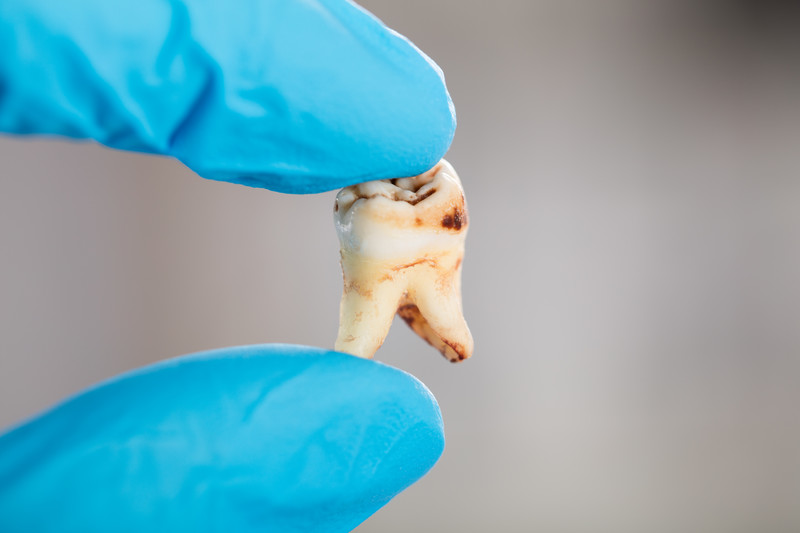
Every time you eat or drink, you’re creating an environment in your mouth that either supports or harms your teeth. When you consume foods that affect your teeth—particularly those high in sugar and acidic foods—bacteria in your mouth feed on these substances and produce acids. These acid attacks lower the pH levels in your mouth, leading to enamel erosion and eventually tooth decay if left unchecked.
The relationship between nutrition and dental health goes beyond just avoiding cavities. Your eating habits and teeth are interconnected in ways that affect gum health, saliva production, and even how quickly stains develop on your teeth.
What Foods Are Good and Bad for Your Teeth
Foods That Harm Your Smile
When considering how nutrition impacts your smile, it’s important to recognize the main culprits:
- Sugar: Found in candy, baked goods, and soft drinks, sugar feeds harmful bacteria that produce tooth-damaging acids
- Acidic foods: Citrus fruits, tomatoes, and vinegar-based dressings can wear down enamel over time
- Sticky foods: Caramels, gummies, and dried fruit cling to teeth, prolonging exposure to sugars and acids
- Beverages that stain: Coffee, tea, and red wine can cause teeth staining and discoloration
- Soft drinks: These combine sugar, acids, and carbonation—a triple threat to your enamel
Foods That Support Strong Teeth
Fortunately, many delicious foods promote excellent oral health:
- Dairy: Cheese, milk, and yogurt are rich in calcium and vitamin D, which strengthen tooth enamel and bones
- Crunchy vegetables: Carrots, celery, and bell peppers stimulate saliva production, which naturally cleanses your mouth
- Leafy greens: Spinach and kale provide calcium and folic acid for healthy gums
- Whole grains: These contain B vitamins and iron that support gum health
- Water: The ultimate beverage for oral health, water rinses away food particles and keeps your mouth hydrated
Eating Habits That Make a Difference
It’s not just about what you eat—it’s also about when and how often. Snacking frequency plays a significant role in oral health. Each time you snack, you expose your teeth to potential acid attacks. Constant grazing means your mouth never gets a break to restore normal pH levels and allow saliva to remineralize your enamel.
Consider limiting snacks to once or twice between meals, and choose tooth-friendly options when you do snack. Drinking water throughout the day also helps maintain healthy saliva production, your mouth’s natural defense system.
Building a Balanced Diet for a Healthy Smile
The good news is that you don’t need to completely eliminate all treats from your life. A balanced diet that includes plenty of calcium, vitamin D, and nutrient-rich foods will give your teeth the foundation they need to stay strong. When you do indulge in something sweet or acidic, try to do so with meals rather than alone, as increased saliva production during meals helps neutralize acids.
At Highland Dental, Dr. Zac Gallup and our team believe that patient education is key to maintaining excellent oral health. We’re always happy to discuss specific dietary concerns and how they might be affecting your smile. If you have questions about nutrition and dental health or want to schedule a checkup, give us a call at 307-235-9198. Your healthy smile starts with the choices you make every day!





Leave A Comment